
Key Takeaways
- Start with practical changes that reduce your home’s energy, water, and material consumption.
- Improve efficiency by using energy-saving lighting, appliances, insulation, and smart controls.
- Conserve water by fixing leaks, installing efficient fixtures, and choosing climate-appropriate plants.
- Reduce household waste by buying thoughtfully, reusing items, repairing products, and recycling correctly.
- Make your kitchen more efficient by planning meals, storing food properly, and reducing food waste.
- Choose durable, repairable products and consider sustainability when planning renovations or outdoor improvements.
- Build simple household habits that everyone can maintain consistently over the long term.
Creating a more sustainable home does not require a complete lifestyle overhaul or expensive renovations. In many cases, meaningful environmental improvements begin with simple changes to the way a household uses energy, water, materials, and everyday products. From reducing household waste to choosing efficient appliances and making smarter purchasing decisions, small actions can add up over time.
A sustainable home can also be more comfortable, efficient, and economical to maintain. Whether you own a house, rent an apartment, or are simply looking for practical ways to reduce your environmental impact, there are plenty of realistic steps you can take to create a greener household without making everyday life unnecessarily complicated.
Why Should You Make Your Home More Sustainable?

A sustainable home is more than a place filled with environmentally friendly products. It is a household designed and managed in a way that reduces unnecessary consumption while making better use of available resources. This can involve everything from insulation and lighting to cleaning habits, food storage, water use, and waste management.
The goal is not perfection but creating routines that use fewer resources and generate less waste over time. Sustainability at home can also have practical financial benefits. Reducing energy and water consumption can lower household bills, while buying durable products and repairing items instead of replacing them can reduce long-term expenses. These advantages make sustainable living a worthwhile goal for both the environment and the household budget.
Start With the Changes That Matter Most
It can be tempting to replace everything in your home with supposedly sustainable alternatives. However, constantly purchasing new products can sometimes create more waste rather than less. A better approach is to assess your existing habits first.
Look at areas where your household consumes the most energy, water, and materials. Once you understand where resources are being used unnecessarily, you can focus your time and money on changes that are likely to have the greatest impact.
For example, improving insulation may make a larger difference to household energy consumption than replacing decorative items with eco-friendly versions. Similarly, reducing food waste can be more meaningful than purchasing an entirely new collection of reusable containers.
Sustainability works best when it becomes part of normal household decision-making rather than an occasional project.
How Can You Reduce Energy Use at Home?
Energy consumption is one of the most important areas to address when creating a more sustainable household. Heating, cooling, lighting, water heating, and appliances can all contribute significantly to a home’s overall energy demand. Reducing unnecessary energy use does not necessarily mean sacrificing comfort. Instead, it often involves making the home more efficient and changing small daily habits that cause energy to be wasted.
Understanding where electricity is being consumed allows homeowners to make targeted improvements. Some changes cost almost nothing, while others require an upfront investment but can deliver savings over many years. The key is to combine behavioural changes with sensible home upgrades so that efficiency becomes a normal part of household operation.
Switch to Energy-Efficient Lighting
Lighting is an easy place to begin because modern LED bulbs use considerably less electricity than traditional incandescent bulbs and generally last much longer.
Replace bulbs as they reach the end of their useful life rather than throwing away working bulbs simply to upgrade them. Also, make better use of natural daylight by opening curtains and blinds during the day.
Simple habits can make a difference:
- Turn off lights in rooms that are not being used.
- Use task lighting instead of illuminating an entire room when possible.
- Install timers or smart controls where appropriate.
- Choose bulbs with suitable brightness rather than automatically selecting the highest output.
These changes require little effort but can gradually reduce electricity consumption.
Make Appliances Work More Efficiently
Large appliances can consume substantial amounts of electricity, particularly refrigerators, washing machines, clothes dryers, dishwashers, and air-conditioning systems.
Use appliances efficiently by running washing machines and dishwashers with full loads whenever practical. Clean filters and vents regularly, because blocked components can force appliances to work harder.
When replacing an appliance, look beyond its purchase price. Consider its energy rating, expected lifespan, maintenance requirements, and operating costs. A slightly more expensive efficient appliance may cost less over its lifetime than a cheaper model that consumes more energy.
Reduce Standby Power
Many electronic devices continue consuming small amounts of electricity while plugged in but not actively being used. Individually, this consumption may seem insignificant, but multiple devices operating this way throughout the year can add up.
Consider switching off power strips when equipment is not needed. Smart plugs can also help automate the process for entertainment systems, office equipment, and other groups of electronics.
What Can You Do to Conserve Water?
Water is another essential resource that deserves attention in a sustainable household. Although turning off a tap while brushing your teeth is a familiar recommendation, effective water conservation goes much further. Leaking fixtures, inefficient appliances, long showers, excessive lawn irrigation, and unnecessary outdoor water use can all contribute to substantial consumption.
Conserving water also reduces the energy required to pump, heat, and treat water. This means that water-saving habits can have environmental benefits beyond the water itself. A sustainable approach focuses on preventing waste while ensuring that water remains available for essential household needs. Fortunately, many improvements are inexpensive and can be introduced without major changes to a home’s plumbing system or daily routine.
Fix Leaks Promptly
A dripping tap or leaking toilet may not appear urgent, but a small leak can waste a surprising amount of water over time.
Inspect taps, toilets, shower fittings, pipes, and outdoor connections regularly. If you notice unexplained increases in your water bill, investigate whether a hidden leak could be responsible.
Repairing leaks is one of the simplest forms of household maintenance because it prevents water from being wasted without providing any useful benefit.
Install Water-Efficient Fixtures
Low-flow showerheads, efficient taps, and dual-flush toilets can help reduce water consumption while maintaining everyday functionality.
When upgrading bathroom or kitchen fixtures, look for products designed to provide adequate performance with less water. Aerated taps, for example, can maintain a satisfying flow while using less water.
Rethink Outdoor Watering
Gardens and lawns can require significant amounts of water, particularly during hot and dry weather. Water plants according to their actual needs rather than following a rigid schedule.
Watering early in the morning or later in the afternoon can help reduce evaporation. Mulching garden beds can also help soil retain moisture for longer periods.
Consider planting species suited to your local climate. Plants that naturally tolerate local conditions generally require less supplemental watering once established.
How Can You Reduce Household Waste?
Waste reduction is one of the most visible parts of sustainable living, but it is important to look beyond recycling. Recycling is useful, yet it should not be the first response to excessive consumption. A more sustainable approach prioritises reducing what comes into the home, reusing items for as long as possible, repairing damaged products, and recycling materials only when they can no longer be used.
Thinking about waste before making a purchase can fundamentally change household consumption habits. Instead of asking whether an item can eventually be recycled, consider whether it is necessary, durable, repairable, reusable, or available without excessive packaging. This mindset can reduce both the amount of waste produced and the resources required to replace everyday goods.
Buy Less and Choose Better
One of the most effective ways to reduce waste is to purchase fewer unnecessary items.
Before buying something, ask:
- Do I genuinely need this?
- Do I already own something that performs the same function?
- Will I use it regularly?
- Is it durable enough to last?
- Can it be repaired if it breaks?
- Is there a second-hand option?
These questions are particularly useful for clothing, furniture, kitchen equipment, tools, and household decorations.
A lower-consumption lifestyle does not have to feel restrictive. In many cases, buying fewer but better-quality items can make a home less cluttered and easier to maintain.
Reuse Before Replacing
Many household items can serve a useful purpose long after their original function has changed.
Glass jars can become storage containers, old towels can become cleaning cloths, and furniture may be repaired, refinished, or repurposed instead of discarded.
Before throwing something away, consider whether someone else could use it. Donating, selling, swapping, or giving away unwanted items keeps usable products in circulation and prevents unnecessary disposal.
Recycle Correctly
Recycling should be treated as one part of a broader waste-management strategy.
Learn the recycling requirements in your area because accepted materials and preparation rules can vary. Contaminated or incorrectly sorted materials may create problems during processing.
Keep recycling containers organised and make it easy for everyone in the household to follow the same system.
How Can You Make Your Kitchen More Sustainable?
The kitchen is one of the most resource-intensive areas of a home. It involves food production and storage, cooking, refrigeration, cleaning, packaging, and frequent purchasing. This makes it an excellent place to introduce sustainable habits that can also save money. Food waste deserves particular attention because wasted food represents wasted land, water, energy, labour, transportation, and packaging. Making better use of the food already purchased can therefore have a much broader environmental impact than simply choosing different kitchen products.
A sustainable kitchen does not need to look dramatically different from a conventional one. Instead, it relies on thoughtful purchasing, efficient food storage, sensible cooking practices, and habits that keep ingredients in use for as long as possible.
Plan Meals Before Shopping
Meal planning can help households purchase only what they are likely to use.
Check the refrigerator, freezer, and pantry before creating a shopping list. Plan meals around ingredients that need to be used soon and avoid purchasing large quantities simply because they appear to be a bargain.
Flexible meal planning can also help accommodate leftovers. For example, cooked vegetables can become part of a soup, omelette, pasta dish, or stir-fry instead of being discarded.
Store Food Properly
Appropriate storage can extend the life of many ingredients.
Keep foods at suitable temperatures, use airtight containers where appropriate, and organise the refrigerator so older products are easy to see. Label leftovers with dates so they do not disappear at the back of the fridge.
Freezing food before it spoils is another useful way to reduce waste.
Use Reusable Kitchen Items
Reusable containers, water bottles, shopping bags, and food-storage products can reduce dependence on disposable alternatives.
However, do not feel pressured to replace perfectly functional household products simply to purchase newer “eco-friendly” versions. The most sustainable product is often the one you already own and continue using.
Can Sustainable Cleaning Be Simple?
Household cleaning is another area where small changes can reduce waste and unnecessary chemical use. Many homes accumulate large collections of specialised cleaning products, each designed for a narrow purpose. While some products have specific uses, a simpler cleaning routine can often meet most household needs with fewer products.
Sustainable cleaning also means considering packaging, product concentration, disposable materials, and how cleaning products are used. Reusable cloths, refillable containers, concentrated formulas, and appropriate quantities can reduce waste over time. The objective is not to make cleaning more difficult or compromise hygiene. Instead, it is about avoiding unnecessary consumption while using products responsibly. A streamlined cleaning system can also make storage easier and reduce the number of products that need to be purchased regularly.
Replace Disposable Cleaning Materials
Instead of relying heavily on disposable wipes and paper towels, consider washable cloths and reusable mop pads where practical.
Keep separate cloths for different cleaning tasks and wash them regularly. This simple change can significantly reduce the volume of single-use materials entering the household waste stream.
Use Products Responsibly
More cleaning product does not necessarily mean a cleaner surface.
Follow manufacturer instructions and use recommended quantities. Excessive use can waste product and may leave unnecessary residue behind.
Where appropriate, consider concentrated products or refill systems that reduce packaging and transportation requirements.
Avoid Unnecessary Product Variety
A household does not necessarily need a separate product for every surface.
Review the products already in your cupboard and determine which ones are genuinely necessary. Simplifying your cleaning supplies can reduce clutter, packaging waste, and unnecessary spending.
How Can Your Home Be More Sustainable Through Renovation?
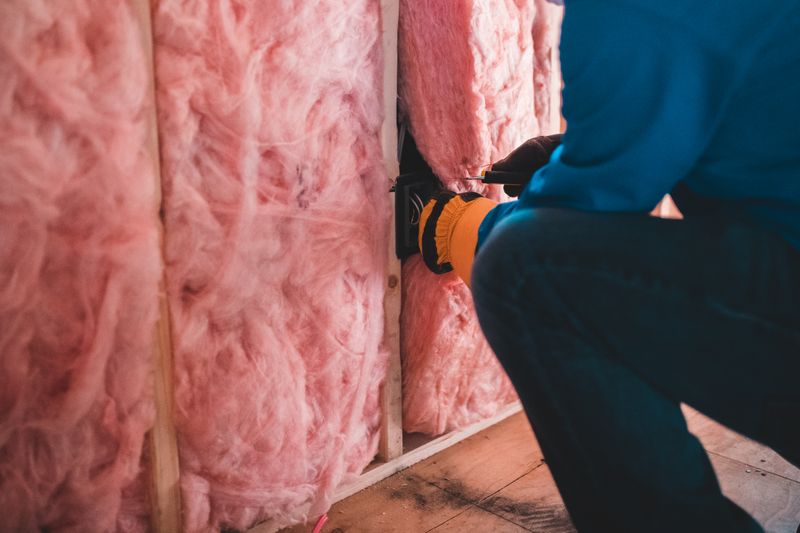
Major renovations offer an opportunity to improve sustainability for years to come. However, sustainable renovation is not simply about installing the newest green technology. It involves considering the building’s existing structure, energy performance, materials, durability, maintenance requirements, and long-term use. If you are planning renovations, think about efficiency before aesthetics alone. Improvements such as insulation, efficient windows, better ventilation, durable flooring, efficient lighting, and appropriate shading can influence household performance for many years.
Existing materials should also be evaluated before they are removed. Reusing or repairing components can reduce the environmental impact associated with manufacturing, transporting, and disposing of new materials. Sustainable renovation is ultimately about making thoughtful decisions that improve the home without creating unnecessary consumption.
Improve Insulation and Sealing
Poor insulation can make a home harder to heat or cool efficiently.
Depending on the property’s construction and climate, improving roof, wall, floor, or ceiling insulation may help stabilise indoor temperatures and reduce reliance on heating or cooling systems.
Sealing appropriate gaps around doors and windows can also help prevent unwanted air movement.
Choose Durable Materials
When renovating, consider how long materials are expected to last and how easily they can be maintained or repaired.
Durable flooring, quality cabinetry, robust fixtures, and long-lasting exterior materials may reduce the frequency of future replacements.
The environmental impact of a renovation should be considered across the entire lifespan of the materials rather than only at the point of purchase.
Reuse Where Possible
Before removing cabinets, doors, fixtures, flooring, or other components, determine whether they can be repaired or reused.
Materials that no longer suit one part of the house may be useful elsewhere. Donating usable components can also keep them out of landfill.
What Role Does Your Backyard Play?
Outdoor spaces can make an important contribution to a sustainable home when they are designed around local conditions rather than intensive maintenance. A garden that requires constant watering, fertilising, mowing, and chemical treatment can consume significant resources. By contrast, thoughtful landscaping can support biodiversity, conserve water, reduce maintenance, and provide useful outdoor space.
Sustainable outdoor design does not mean abandoning lawns or creating an entirely wild garden. It means selecting plants, materials, and maintenance practices based on what the site actually needs. Soil health, plant selection, shade, rainwater management, and habitat should all be considered. Even a small yard, balcony, patio, or container garden can provide opportunities to support a more environmentally responsible household.
Choose Plants Suited to the Local Climate
Native and climate-appropriate plants are often better adapted to local conditions.
Once established, suitable plants may require less supplementary water and maintenance than species poorly suited to the environment.
Choose plants according to sunlight, soil conditions, available space, and expected mature size rather than buying based solely on appearance.
Reduce Unnecessary Lawn Areas
Lawns can be attractive and functional, but maintaining large areas of grass may require regular mowing and watering.
Consider replacing portions of underused lawn with garden beds, ground covers, trees, edible plants, or other functional landscaping.
The right choice depends on how the space is used. A small lawn that provides a useful play area may be more practical than removing every grassed surface.
Support Local Wildlife
Planting a variety of flowers, shrubs, and trees can provide food and shelter for insects, birds, and other wildlife.
Avoid using chemicals unnecessarily and maintain some diversity in your outdoor space. A healthy garden ecosystem can support pollinators and contribute to local biodiversity.
How Can You Make Sustainable Choices When Shopping?
Household sustainability is strongly influenced by purchasing decisions. Every item brought into a home requires resources to produce, package, transport, use, and eventually dispose of. This does not mean that consumers must investigate the environmental footprint of every product they purchase. Instead, a few consistent principles can make shopping more thoughtful. Durability, repairability, necessity, packaging, and expected frequency of use are useful factors to consider.
Understanding these principles is central to learning how to live a more sustainable life without turning every purchase into a complicated research project. Sustainable consumption is less about finding a perfect product and more about reducing unnecessary purchasing while making sensible choices when something genuinely needs to be replaced.
Consider the Full Life of a Product
A low-cost product is not necessarily the most sustainable choice if it needs to be replaced frequently.
Consider whether the product is built to last, whether spare parts are available, and whether it can be repaired.
For larger purchases, investigate expected lifespan and maintenance requirements before making a decision.
Avoid Impulse Purchases
Waiting before making non-essential purchases can prevent unnecessary consumption.
A simple rule is to add desirable items to a list and revisit them later. If you still need the item after several days or weeks, it may be worth buying.
This approach is especially helpful for clothing, decorations, gadgets, and other products that can quickly accumulate.
Choose Less Packaging
When practical, choose products with minimal packaging or packaging that can be reused or recycled through your local system.
Buying larger quantities can sometimes reduce packaging per unit, but only when you are confident that the products will actually be used before they expire.
Can Technology Help Create a Greener Home?
Technology can support sustainable living when it solves a genuine household problem. Smart thermostats, energy monitors, programmable controls, efficient appliances, and automated lighting can help households understand and manage consumption. However, technology should not be purchased simply because it is marketed as “smart” or “green.” Manufacturing new electronic devices also requires materials and energy, so their usefulness should be evaluated against their environmental cost.
The best technology is often technology that reduces resource use without adding unnecessary complexity. Before purchasing a smart home product, consider whether it will genuinely reduce consumption, improve efficiency, or make it easier to maintain sustainable routines. If the answer is yes, it can become a useful part of a broader household strategy.
Monitor Your Energy Consumption
Energy-monitoring devices and smart meters can help identify patterns that are difficult to notice otherwise.
Tracking consumption can reveal which appliances use the most electricity and when household demand is highest. This information allows you to focus efficiency improvements where they are likely to have the greatest impact.
Automate Simple Habits
Timers, sensors, and programmable controls can reduce energy waste by switching equipment off or adjusting settings automatically.
Automation is particularly useful for households where people regularly forget to turn off lights, fans, heating, cooling, or other equipment.
How Can the Whole Household Participate?
Sustainability becomes much easier when everyone in the household understands the reasons behind the changes. One person cannot realistically maintain dozens of new routines indefinitely if the rest of the household works against them. Rather than creating a long list of strict rules, focus on a few shared habits that are simple enough to maintain. Children can also participate in age-appropriate ways, such as switching off lights, sorting recyclables, avoiding unnecessary food waste, or helping care for plants.
The goal is to make sustainability feel like a normal part of household life rather than a collection of chores. When efficient behaviour becomes automatic, it requires less effort and is more likely to continue for years.
Create Simple Household Rules
A few straightforward agreements can have a significant effect.
For example, the household might agree to turn off unused lights, run washing machines only with suitable loads, separate recyclable materials correctly, and avoid throwing away usable food.
Keep expectations realistic. Sustainable habits should be convenient enough that people can follow them consistently.
Teach Rather Than Police
If someone forgets a sustainable habit, explain why it matters rather than treating the mistake as a failure.
Positive reinforcement can help new routines become permanent. The aim is to build awareness and shared responsibility rather than create unnecessary conflict.
What Sustainable Habits Should You Start With?
Sustainable living can initially seem overwhelming because there are countless possible improvements. You do not need to tackle them all at once. Starting with a small number of high-impact habits makes it easier to build momentum and determine what works for your household. Once those behaviours become routine, you can introduce additional improvements.
It is also worth recognising that households have different circumstances. A renter may not be able to replace windows or install solar panels, while a homeowner may have more control over major upgrades. Someone living in an apartment may have different opportunities for gardening, water conservation, or waste management. Sustainable living should therefore be flexible enough to fit real homes and real budgets rather than relying on a one-size-fits-all checklist.
A practical starting point might include:
- Reduce unnecessary energy use: Turn off unused lights and electronics and use appliances efficiently.
- Fix water leaks: Address dripping taps, running toilets, and other plumbing problems quickly.
- Reduce food waste: Plan meals, store ingredients properly, and use leftovers creatively.
- Buy fewer disposable products: Choose reusable alternatives when they are genuinely practical.
- Repair before replacing: Extend the useful life of furniture, clothing, appliances, and household items.
- Improve outdoor efficiency: Choose suitable plants and avoid unnecessary watering.
- Purchase thoughtfully: Consider durability and necessity before buying something new.
- Improve home efficiency: Prioritise insulation, sealing, efficient appliances, and other improvements that reduce ongoing resource use.
The most important point is consistency. A modest change that becomes a permanent habit is generally more valuable than an ambitious goal that lasts only a few weeks.
Conclusion: Build a Home That Uses Resources Wisely
A more sustainable home does not have to be perfect, expensive, or radically different from the home you already have. The most meaningful progress often comes from ordinary decisions repeated consistently: using less energy, conserving water, reducing waste, repairing instead of replacing, purchasing thoughtfully, and maintaining indoor and outdoor spaces responsibly.
Sustainability is ultimately about making better use of what you already have while reducing unnecessary consumption. Some improvements can happen immediately, while others can be incorporated into future maintenance, renovations, and replacement decisions.
Start with the changes that are realistic for your household. As those habits become routine, build on them gradually. Over time, these individual choices can create a home that is not only kinder to the environment but also more efficient, practical, comfortable, and economical to maintain.