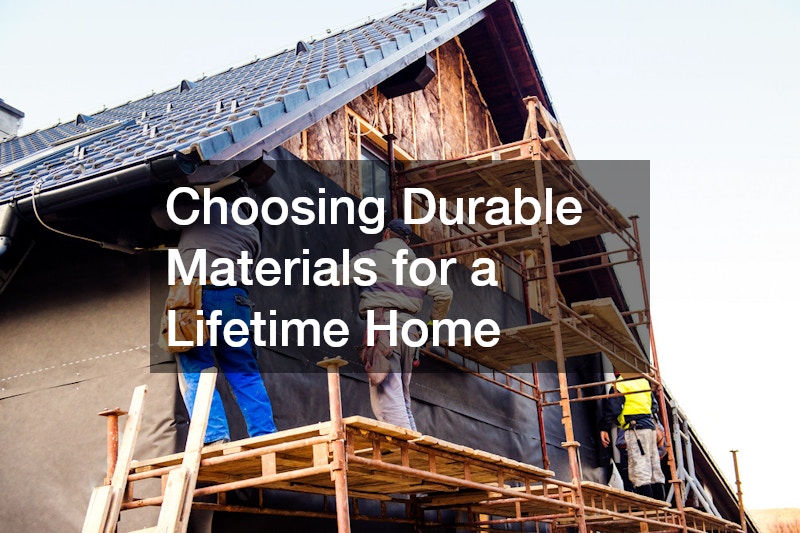
The philosophy of building a home for a lifetime is rooted in the concept of permanence. In an era often defined by disposable goods and “fast” construction, choosing to invest in high-quality, resilient materials is a radical act of sustainability. A lifetime home is designed to withstand the elements, minimize environmental impact, and provide a healthy sanctuary for generations. This approach requires looking beyond the initial purchase price and considering the life-cycle cost, the energy required for production, and the ultimate durability of every component. By prioritizing materials that age gracefully and require minimal replacement, we reduce the strain on our planet’s resources and create a legacy of architectural integrity.
Establishing a High-Performance Thermal Envelope
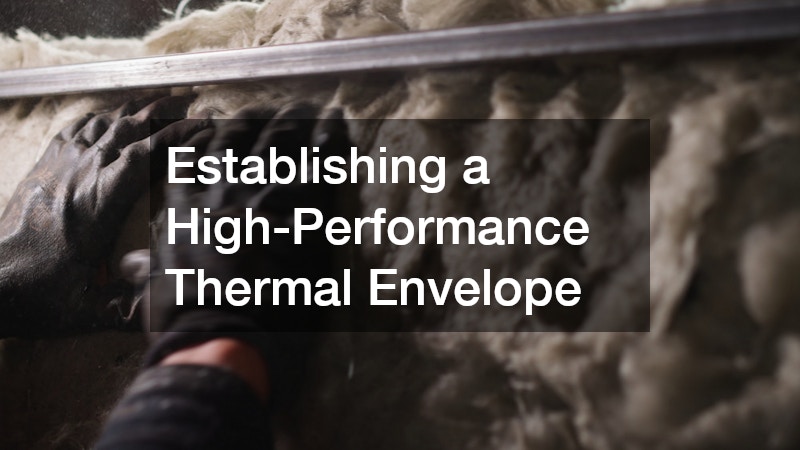
The most critical component of a durable home is the boundary between the interior living space and the outdoor environment. This envelope determines how much energy is required to keep the home comfortable and how well the internal structure is protected from moisture. When a home is built with a focus on longevity, the thermal envelope is treated as a permanent shield rather than a temporary barrier. High-performance membranes and robust structural components are the foundation of this strategy.
Creating a stable interior climate begins with the density and quality of the materials tucked away inside your walls and ceilings. Using high-grade insulation ensures that the home remains thermally consistent, which prevents the expansion and contraction of building materials that often leads to structural cracking over time. Whether you opt for mineral wool, dense-pack cellulose, or recycled denim, the goal is to eliminate thermal bridging and create a tight seal that lasts as long as the frame itself.
Maintaining this envelope requires vigilance regarding the exterior surfaces that face the brunt of the weather. If you notice gaps or warping in your exterior boards, addressing siding repair immediately prevents water from reaching the sheathing. Moisture is the primary enemy of wood-framed structures, and a quick fix to the exterior skin can prevent the need for massive structural interventions decades down the line.
Investing in Century-Scale Roofing Solutions
The roof is the most vulnerable part of any building, constantly exposed to UV radiation, heavy rain, and fluctuating temperatures. For a lifetime home, the goal is to select a roofing material that does not need to be replaced every twenty years. While asphalt shingles are common, they contribute significantly to landfill waste and have a relatively short functional life. Sustainable alternatives may cost more upfront, but their lifespan is measured in centuries rather than decades.
One of the most prestigious and durable choices for a permanent residence is the installation of slate roofs. These natural stone tiles are impervious to rot and insects, and they offer a level of fire resistance that synthetic materials simply cannot match. Because slate is a natural product, it does not release volatile organic compounds into the environment, making it a favorite for those prioritizing indoor and outdoor air quality.
However, the weight and complexity of stone or heavy metal systems require a specific set of skills for proper integration. It is essential to hire experienced residential roofers who have a proven track record with heavy-duty materials. These professionals ensure that the underlying structure is reinforced correctly and that the flashing is executed with precision, which is the key to a leak-free home that lasts over a hundred years.
Integrating Resilient Mechanical Systems

A truly durable home must be able to breathe and regulate its temperature with minimal mechanical strain. When we choose HVAC systems, we should look for units that are known for their repairability and long-term parts availability. In a sustainable home, the mechanical systems are integrated into the architecture in a way that allows for easy access and future upgrades without tearing down walls.
The process begins with a high-quality HVAC installation that is tailored specifically to the home’s square footage and layout. An oversized system will cycle on and off too frequently, which puts unnecessary stress on the compressor and fan motors. A correctly sized, high-efficiency system operates smoothly and maintains a consistent humidity level, which is vital for preserving wooden furniture and interior finishes.
Once the system is operational, the key to longevity is consistent, minor maintenance rather than waiting for a total breakdown. Scheduling AC repairs at the first sign of a decrease in cooling efficiency or an unusual vibration can extend the life of the unit by several years. By keeping the coils clean and the sensors calibrated, you ensure that the system uses the least amount of energy possible while providing maximum comfort.
Sustainable Landscape Management and Structural Defense
The area immediately surrounding your home plays a massive role in how the building ages. A lifetime home strategy includes a landscape design that protects the foundation from water and the roof from physical damage. By managing the vegetation and the local ecosystem, you create a buffer zone that shields the house from the most aggressive aspects of nature.
Proactive vegetation management is essential for protecting the integrity of the building’s exterior. Regular tree trimming prevents heavy branches from scraping against the roof or falling during a localized storm event. Keeping a safe distance between the canopy and the house also allows for better airflow around the structure, which helps keep the roof and siding dry and free from moss or algae growth.
In addition to physical protection, the home must be defended against biological invaders that thrive in certain climates. Utilizing professional pest control services that focus on integrated pest management can safeguard the home without the use of broad-spectrum toxins. By sealing entry points and using natural deterrents, you protect the wooden components of the home from termites and carpenter ants, ensuring the frame remains solid for the long haul.
Strategies for Long-Term Maintenance and Repair
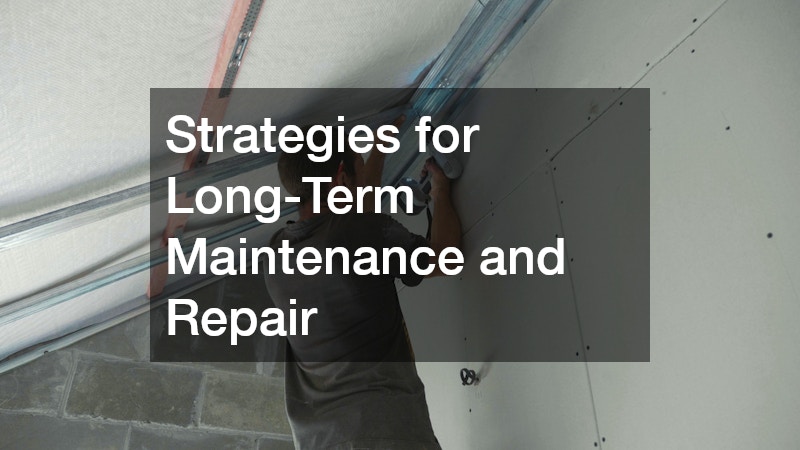
No material is completely “set it and forget it.” Part of the commitment to a lifetime home is the willingness to perform small repairs as they arise. This proactive approach prevents the compounding of issues that lead to the premature “death” of a building. A well-maintained home is a sustainable home because it never reaches the point of needing to be razed and rebuilt.
- Monitor the attic for signs of daylight or moisture, as a small roof repair can save the entire insulation layer from mold.
- Inspect windows and doors annually to ensure the seals are intact and the hardware is moving freely.
- Check the foundation for small cracks that could allow radon or water to seep into the basement.
- Clean gutters twice a year to ensure water is diverted far away from the house.
When the colder months approach, ensuring that your heating services are up to date is a matter of both comfort and safety. A technician can check for cracks in heat exchangers or issues with pilot lights, ensuring that the system is burning fuel cleanly or utilizing electricity efficiently. This annual checkup is a small price to pay for the peace of mind that comes with a reliable, long-lasting heating system.
Protecting the Roof for Future Generations
The roof remains the most critical area for ongoing vigilance because it serves as the first line of defense against every atmospheric threat. Even when using the most robust materials available, the transitions where the roof deck meets vertical obstructions like chimneys or deep valleys are inherently subject to wear and thermal expansion. By keeping these specific architectural junctions clean and meticulously inspected, you protect the massive investment you have made in your building’s primary shield. A lifetime roof is not a static object but a dynamic system that requires clear drainage paths and intact seals to function as intended.
- Ensure that valleys are clear of debris to prevent water from backing up under the shingles or tiles, which can lead to ice damming or capillary action leaks.
- Check that the flashing around vents and chimneys remains sealed and free of rust, as these metal components often reach the end of their service life before the primary roofing material does.
- Keep an eye on the gutters to ensure they are not pulling away from the fascia under the weight of snow or ice, which can compromise the perimeter of your roof’s drainage system.
Over time, organic growth like lichen or moss can take root in the crevices of even the sturdiest materials, secreting acids that slowly etch away at the surface. Implementing a gentle, eco-friendly wash or installing copper or zinc strips at the ridges can provide a passive defense against these biological stressors. This level of detail ensures that the structural integrity of the decking remains bone-dry, preventing the slow-moving rot that often necessitates premature replacement in less-tended homes.
Regular inspections by qualified residential roofers can identify potential failure points before they escalate into costly household emergencies. These experts possess the specialized equipment and trained eyes necessary to spot a loose tile, a hairline crack in a masonry cap, or a failing sealant bead that a homeowner might easily miss from the ground. By treating your roof as a living part of the home that requires occasional professional attention, you ensure it reaches its maximum possible lifespan and remains a secure canopy for the next generation.
Enhancing Durability Through Material Selection

When selecting interior finishes, the same rules of longevity apply. Flooring should be made of materials that can be refinished rather than replaced. Solid hardwood, stone, and tile are excellent choices because they can survive decades of foot traffic and can be restored to their original beauty with minimal effort. This reduces the need for synthetic carpets or laminate products that eventually end up in a landfill.
- Choose solid wood cabinetry that can be painted or refinished as styles change.
- Opt for natural stone or recycled glass countertops that are resistant to heat and scratches.
- Select low-VOC paints and finishes to ensure that the air quality remains high throughout the home’s life.
- Install high-quality plumbing fixtures with ceramic cartridges that are easy to repair if they begin to leak.
The resilience of the interior is often overlooked, but it is just as important as the exterior. A home that is easy to update without a full demolition is more likely to be preserved by future owners. By choosing classic, durable materials, you create an environment that remains functional and beautiful through the passing of time.
The Role of Technology in a Lifetime Home
While we often look to traditional materials for durability, modern technology plays a significant role in extending the life of a home. Smart sensors can now detect leaks in plumbing or shifts in humidity before they cause visible damage. These systems act as an early warning network, allowing homeowners to intervene before a small problem becomes a catastrophe.
- Water leak sensors placed near water heaters and appliances can prevent catastrophic flooring damage.
- Smart thermostats help balance the load on your HVAC system, preventing overwork during extreme weather.
- Automated ventilation systems ensure that indoor air remains fresh without losing excessive heat or cool air.
- Energy monitoring systems can alert you if a mechanical component is drawing more power than usual, indicating a need for service.
These technological additions don’t replace quality materials; rather, they serve as a protective layer that helps those materials last longer. A home that can “tell” its owner when it needs attention is a home that is much more likely to survive for a century or more.
Building or maintaining a home for a lifetime is a journey that requires patience, research, and a commitment to quality. It is a process of choosing the enduring over the ephemeral and the resilient over the convenient. When we select stone, solid wood, and high-efficiency systems, we are making a statement about the value of our environment and the future of our communities. A lifetime home is more than just a shelter; it is a testament to the idea that things built with care and intention can truly last. By focusing on durability, we create a more stable world, one house at a time, ensuring that our footprints are light but our structures are strong.