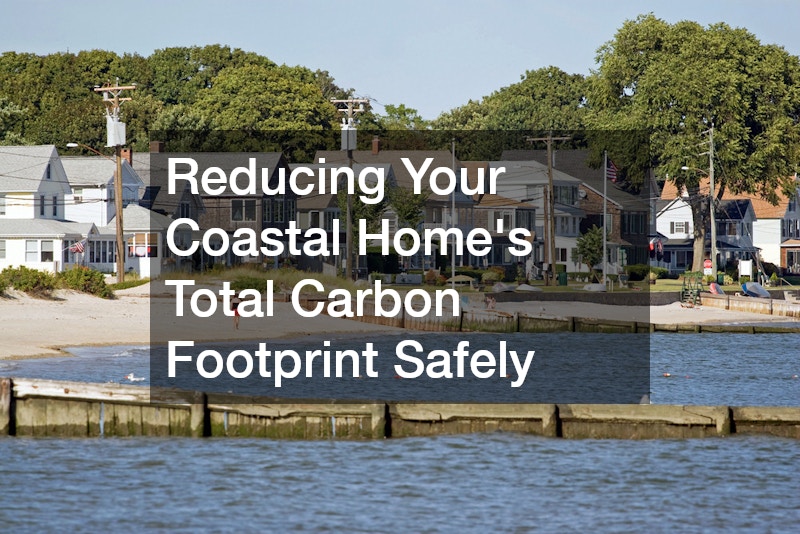
The dream of living by the ocean comes with a profound responsibility. Coastal homeowners witness the raw power of the environment every single day, from the rhythmic pull of the tides to the fierce salt winds that batter their siding. Yet, these very ecosystems are the most vulnerable to the compounding effects of climate change. For a long time, renovating a waterfront property meant choosing between rugged durability and environmental consciousness. Heavy concrete, fossil-fuel-reliant heating systems, and synthetic sealants were the default armor against the sea.
Today, the perspective is shifting. Reducing a coastal home’s total carbon footprint is no longer just about installing a few solar panels or buying energy-efficient appliances. It requires a holistic, safe approach that treats the entire property—from the edge of the water to the peak of the roof—as a single, interconnected ecosystem. True sustainability on the coast means building resilience so that your home demands fewer resources over its lifetime, generates less waste, and actively protects the delicate marine habitat right outside your door.
Mitigating Erosion and Preventing Toxic Runoff Into Marine Ecosystems
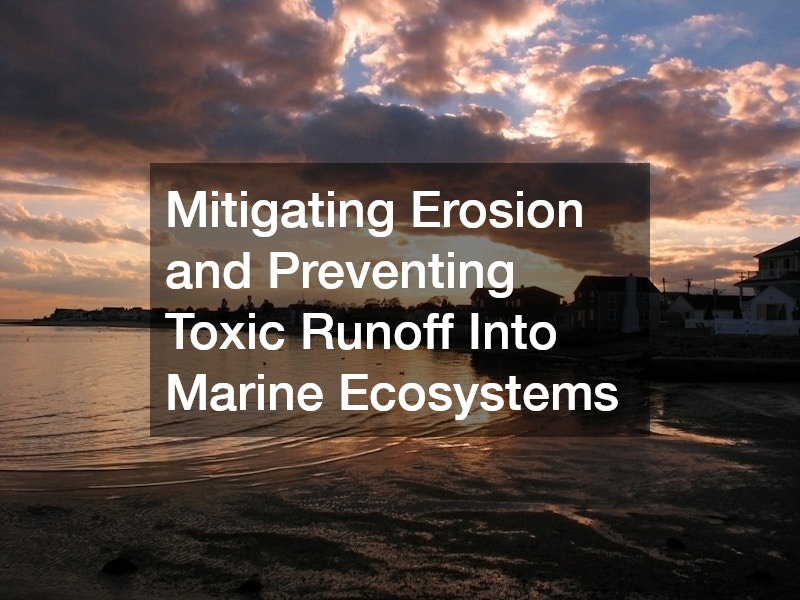
The boundary where your property meets the sea is your first line of defense, but traditional methods of hardening the shoreline carry a massive carbon tax. Heavy concrete barriers require significant energy to manufacture and transport, and they frequently disrupt the natural movement of sediment, worsening erosion for your neighbors. When these structures inevitably crack under the pressure of shifting tides, repairing them traditionally involves bringing in heavy, diesel-chugging machinery. Homeowners looking to lower their footprint are now turning to hybrid stabilization methods. Combining native vegetation, like marsh grasses and mangroves, with structural support creates a living shoreline that absorbs wave energy, buffers storm surges, and actively sequesters carbon out of the atmosphere.
Beyond the shoreline itself, what happens beneath the soil dictates the health of the coastal waters. Waterfront properties are often set on sensitive, sandy water tables where anything buried underground can easily leach into the ocean. Traditional waste management systems can become catastrophic environmental hazards if neglected. A failing system releases high concentrations of nitrogen and phosphorus directly into the coastal ecosystem, fueling toxic algae blooms that suffocate marine life.
Safeguarding this subterranean environment requires vigilance and proactive maintenance. A comprehensive septic inspection should be performed regularly to ensure the tank is structurally sound and the drain field is processing waste efficiently. If the barrier holding back the sea shows signs of degradation, opting for localized, eco-friendly seawall repair using non-toxic injection grouts or composite materials can prevent catastrophic shoreline collapse without destroying the adjacent marine habitat. By prioritizing these hidden infrastructure elements, you stop environmental degradation at the source before it requires a massive, high-carbon emergency intervention.
Harnessing Daylighting and Maximizing Storm Resilience From Above
A coastal roof bears the brunt of intense solar radiation, high winds, and corrosive salt spray. Because it is exposed to the elements more than any other part of the structure, it represents both your greatest vulnerability to energy loss and your greatest opportunity for carbon reduction. Standard asphalt shingles absorb immense amounts of heat, creating a heat-island effect that forces your air conditioning system to work overtime during humid summer months. When upgrading this upper shield, switching to cool roof materials—such as highly reflective metal roofing or recycled composite shingles—can reflect up to eighty percent of solar heat away from the home.
However, full replacements are resource-intensive. The manufacturing and transportation of roofing materials contribute significantly to global emissions. The most sustainable roof is often the one you already have, provided it is meticulously maintained. Small compromises in the roof’s integrity can lead to trapped moisture, structural rot, and ruined insulation, all of which carry a massive carbon cost when whole sections of timber eventually need to be ripped out and replaced.
Imagine a scenario where a minor tropical storm lifts a few shingles near a roof window. Ignoring it allows water to slowly compromise the thermal envelope of the entire upper floor. Booking a swift skylight repair prevents drafts and water ingress from destroying your interior insulation. Simultaneously, securing a localized roof repair to fix the surrounding area keeps the existing structural components intact, avoiding the need for a premature, full-scale roof replacement service that would send tons of debris to the local landfill. When you do eventually need a complete overhaul, choosing a storm-rated system designed for solar integration turns your roof from a passive shield into an active, clean energy producer.
Transitioning to Electrification and High-Efficiency Recreational Utilities
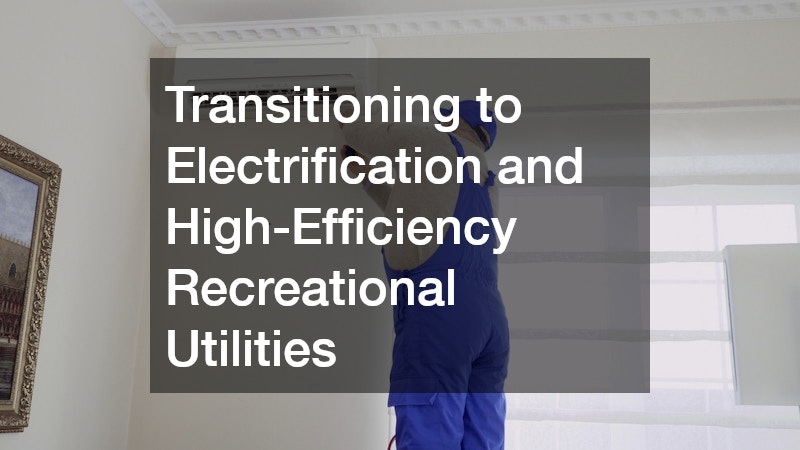
Water heating accounts for a massive portion of a home’s energy consumption, and in drafty, humid coastal climates, traditional tank systems are incredibly wasteful. Standard heaters keep dozens of gallons of water hot twenty-four hours a day, constantly cycling on and off to combat the damp chill. Decarbonizing this system requires a complete shift away from fossil fuels and toward high-efficiency electrification. By drawing power from a residential solar array, a home can generate its own thermal energy without burning gas or oil.
Outdoor living spaces also demand a rethink. Coastal properties often feature extensive outdoor amenities designed to capitalize on the stunning views, but these luxury features are traditionally notorious energy hogs. Heating an outdoor spa or running a massive filtration system can quickly erase the carbon gains made inside the house.
To achieve true property-wide efficiency, consider the following blueprint for your water systems:
- Replace the old baseline water heater with an electric tankless water heater. These units heat water instantly on demand, eliminating standby energy loss entirely and shrinking your footprint.
- Work alongside a specialized custom pool builder who understands low-impact design. They can integrate variable-speed pumps, greywater recycling loops, and solar thermal collectors that use the sun’s natural heat to warm the water.
- If you include an outdoor sauna in your wellness layout, opt for an infrared model insulated to the highest standards. Powering it through the home’s solar microgrid instead of using a high-emission wood burner keeps your relaxation hours completely carbon-neutral.
By connecting these high-demand utilities into a single, smartly managed electrical loop, you can enjoy the classic benefits of a coastal lifestyle without contributing to the degradation of the global environment.
Sealing Large Ingress Points to Prevent Energy Loss During Storm Seasons
The thermal envelope of a coastal home is only as strong as its largest opening. While homeowners frequently obsess over high-performance windows and weather-stripped front doors, they often overlook the single biggest source of thermal bridging on their property: the attached garage. A standard, uninsulated garage door acts as a giant radiator, absorbing the external heat and humidity of the coast and transferring it directly through the shared walls into the living spaces. During storm seasons, high winds can warp the tracks and degrade the perimeter seals, creating massive gaps where conditioned air escapes effortlessly.
Maintaining this barrier requires regular adjustments, especially after periods of severe weather when salt fog and high winds have battered the moving parts. When a garage door is out of alignment, the mechanical strain increases energy usage, and the compromised seal forces your HVAC system to work twice as hard to stabilize the indoor climate.
Consider a winter gale that throws your track out of alignment at midnight, leaving a two-inch gap exposed to the freezing sea wind. Securing an emergency garage door repair ensures that your home’s primary thermal shield is restored before the main house loses its heat. For long-term resilience, investing in routine garage door repairs to replace worn-out vinyl seals and upgrade to insulated panels will pay massive dividends. Choosing a door constructed from recycled aluminum or sustainably harvested wood ensures that the entry point is tough enough to withstand coastal storms while remaining light on the planet.
Implementing Smart Automation and Sustainable Material Lifecycles
To ensure a coastal property truly achieves a minimal carbon footprint, we must look beyond the immediate structure and examine the daily operational habits and material lifecycle choices that define modern waterfront living. A home cannot be truly sustainable if it requires constant, resource-intensive maintenance or relies on short-lived materials that must be replaced every few years due to salt air corrosion. True sustainability requires us to think about the longevity of every single component we introduce to the property.
One of the most effective ways to expand on this holistic approach is through the integration of smart home automation and localized energy storage. Coastal regions are prone to microclimate shifts—sudden changes in humidity, ambient light, and wind speed can occur over the course of a single afternoon. By installing automated sensors that communicate with your HVAC system, shades, and ventilation, the house can dynamically adjust itself to passive heating and cooling opportunities.
For example, when sensors detect optimal external temperatures and low humidity, automated windows can open to flush the home with fresh sea air, reducing reliance on mechanical cooling. When storm fronts approach, the house can automatically button itself up to preserve its thermal core.
Furthermore, the materials chosen for decks, walkways, and outdoor structures play a massive role in the home’s embodied carbon. Traditional pressure-treated lumber relies on harsh chemical infusions to resist rot, and these chemicals can gradually leach into the coastal soil during heavy rains. Opting for modified wood products, which use natural heat and bio-based liquids to alter the wood’s cell structure, provides the necessary durability against salt and moisture without introducing toxins to the local ecosystem. Alternatively, sourcing locally quarried stone for walkways eliminates the massive transportation emissions associated with imported materials while naturally absorbing and radiating heat to regulate the microclimate around the home’s foundation.
Balancing Infrastructure Interdependence and Community Energy Security
To truly optimize a waterfront property for the future, we must also address how a low-carbon home interacts with the broader community and municipal infrastructure. A house sitting on the edge of the ocean does not exist in a vacuum; it shares a footprint with fragile public utilities, coastal highways, and localized energy grids that are frequently strained during periods of extreme weather or seasonal tourist influxes. True sustainable stewardship means shifting from a mindset of absolute independence to one of supportive interdependence, ensuring your property acts as an asset rather than a drain on local resources.
One critical aspect of this approach involves advanced rainwater harvesting and greywater diversion strategies. Coastal regions often alternate between periods of intense, torrential downpours and extended seasonal droughts. When heavy rain hits non-porous surfaces like driveways and traditional roofs, it washes surface pollutants directly into local bays.
By installing integrated subsurface cisterns, a home can capture thousands of gallons of pure rainwater during storm events. This water can be scrubbed through simple, low-energy mechanical filtration systems and diverted to meet non-potable demands, such as flushing toilets or running laundry systems. Furthermore, integrating permeable paving surfaces across your driveways and walkways allows groundwater to naturally recharge instead of overloading municipal storm drains. When water is managed entirely on-site, the community grid saves the immense electrical energy required to pump, treat, and process stormwater runoff.
We must also consider the role of decentralized energy security. Traditional coastal power grids are uniquely vulnerable to overhead line failures caused by high winds, salt corrosion, and falling trees. During extended blackouts, many homeowners rely on loud, highly polluting diesel generators to maintain power. A truly green coastal renovation replaces these fossil-fuel emergency systems with intelligent, bidirectional battery storage arrays coupled to your solar setup.
Modern residential energy management software allows these batteries to engage in peak-shaving. This means that during hot summer afternoons when the local grid is under maximum stress, your home can automatically disconnect from public power and run entirely on its stored clean energy. This not only lowers your personal utility costs but actively stabilizes the community grid, preventing localized brownouts and reducing the need for utilities to fire up carbon-heavy plants.
Building a low-carbon coastal home is a continuous journey of balance, adaptation, and respect for the natural world. By viewing your property as a single, integrated system, you can implement upgrades that protect both your investment and the surrounding biosphere. From the invisible security of a well-maintained waste system to the visible resilience of a fortified roof, every targeted renovation reduces your reliance on fossil fuels and preserves the structural integrity of your home. As the climate changes, our approach to coastal living must change with it, proving that we can inhabit these beautiful shorelines safely, responsibly, and sustainably for generations to come.