The building envelope plays a critical role in both residential energy consumption and global environmental sustainability. Every year, millions of tons of torn-off asphalt shingles, degraded underlayment, and contaminated construction debris are dumped into landfills across the country. In many cases, these complete roof tear-offs are performed prematurely simply because minor leaks or surface wear were left unaddressed or misdiagnosed. This disposable approach to home maintenance creates massive material waste and drives up household carbon footprints unnecessarily.
Fortunately, the residential construction industry is undergoing a major shift toward sustainable restoration. Property owners are increasingly recognizing that extending the lifespan of an existing structure through targeted, eco-friendly repairs is far more responsible—and cost-effective—than tearing down functional building materials. A sustainable approach focuses on preserving existing structural decking, optimizing thermal insulation, applying solar-reflective protective coatings, and integrating recycled high-performance materials.
Achieving a truly sustainable, long-lasting repair requires a clear understanding of modern restorative options. By combining advanced non-destructive diagnostic tools, energy-efficient coating technologies, recycled insulation assemblies, and environmentally conscious installation practices, you can protect your home from severe weather while significantly reducing your environmental impact.
Evaluating Structural Integrity and Restorative Maintenance vs. Replacement
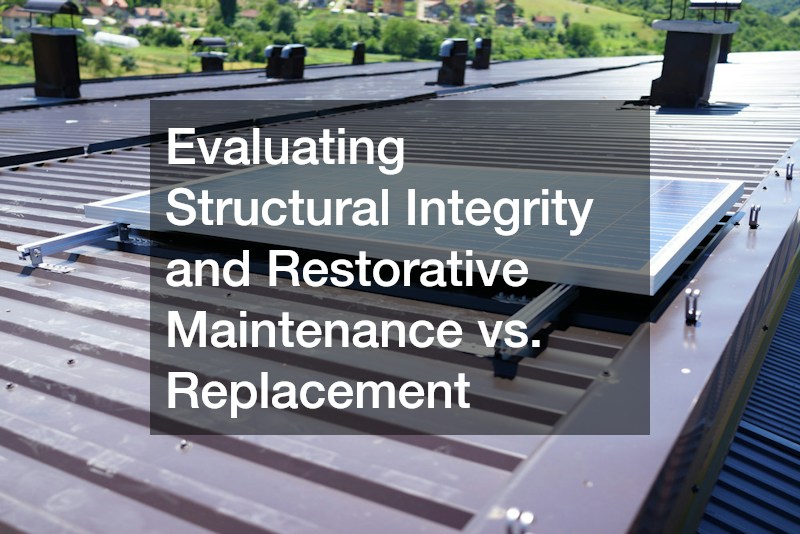
The primary objective of sustainable building maintenance is extending material lifespans to prevent premature landfill disposal. When a leak occurs inside a home, many property owners assume their only option is stripped-down structural replacement. However, localized moisture intrusion rarely means the entire surface area has failed. Tearing off thousands of square feet of functional materials to resolve isolated flashing failures or a few cracked shingles generates unnecessary waste and inflates project budgets.
Evaluating structural health sustainably begins with advanced non-destructive testing rather than destructive tear-offs. Using specialized thermal imaging cameras during evening cooling cycles allows technicians to identify temperature differentials caused by trapped moisture under surface layers, pinpointing exact leak locations without removing functional material. Technicians can then repair isolated step flashing, chimney crickets, and pipe boot seals using low-emitting, solvent-free waterproof sealants. Removing only compromised asphalt shingles or wood shakes while leaving intact surrounding field areas preserves thousands of pounds of raw material.
Taking a surgical, restorative approach to localized damage allows homeowners to resolve active leaks quickly while keeping functional materials in service. When minor material removal is unavoidable, eco-friendly practices prioritize material salvage and recycling. Scrap asphalt shingles can be diverted to specialized processing facilities where they are ground down for use in road paving projects, while uncontaminated metal drip edges, copper valley flashing, and aluminum vents can be melted down and repurposed endlessly. Prioritizing targeted roof repairs over total tear-offs reduces structural waste while keeping overall project costs manageable. Adopting a proactive maintenance strategy transforms standard residential roofing from a disposable commodity into a durable, long-term sustainable asset for your property.
Implementing Cool Roof Coatings and Energy-Efficient Solar Upgrades
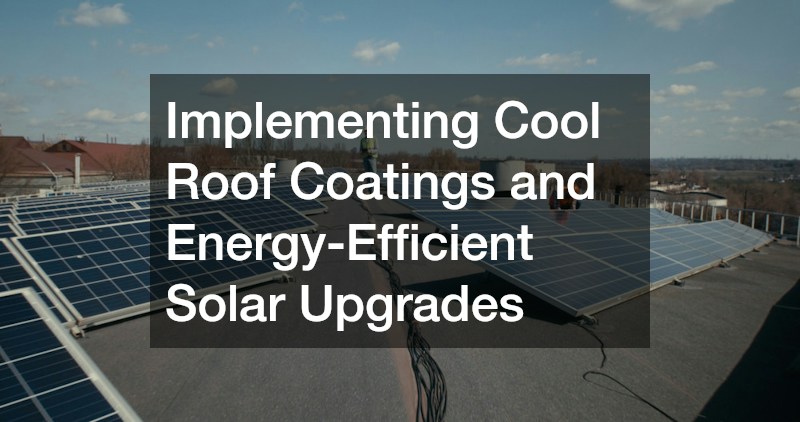
One of the most effective methods for extending the lifespan of an existing building envelope while improving home energy efficiency is applying a fluid-applied protective coating system. Over years of exposure to sun, rain, and thermal expansion, traditional surface materials dry out, lose protective granules, and develop microscopic hairline cracks. Fluid-applied elastomeric and silicone coatings create a seamless, monolithic waterproof membrane directly over existing substrates, sealing minor cracks without requiring material removal.
Beyond waterproofing, elastomeric coatings provide exceptional thermal regulation by transforming standard dark surfaces into reflective cool roofs. Dark surfaces typically absorb solar radiation and reach temperatures well over 150 degrees Fahrenheit, transferring heat directly into the attic. In contrast, reflective coatings reflect up to 85% of solar radiation back into the atmosphere, dropping surface temperatures down to 90 degrees and significantly lowering air conditioning energy consumption. Ideal for low-slope areas, high-solids silicone coatings resist ponding water and preserve structural decking for an additional 10 to 15 years, while acrylic elastomeric systems offer excellent breathability for sloped surfaces.
Complementing protective coatings with improved thermal ventilation maximizes energy performance throughout the home. Installing solar-powered attic exhaust fans and continuous ridge ventilation balances interior temperatures and prevents winter ice dams. When planning coating applications or solar panel integrations, consult an experienced roofer to verify that existing structural decking can support additional mechanical attachments safely. Partnering with a certified, eco-conscious roofing company ensures that reflective coatings, solar mount flashings, and attic ventilation upgrades comply fully with regional energy codes and manufacturer warranties.
Upgrading Thermal Insulation and Envelope Efficiency
A truly sustainable repair strategy extends beyond exterior surface materials into the thermal insulation layer beneath the decking. A significant portion of a home’s heating and cooling energy escapes through inadequately insulated attic spaces and unsealed roof decks. Upgrading thermal insulation during structural maintenance addresses energy loss at the source, lowering monthly utility bills and reducing household carbon emissions.
When evaluating thermal performance, optimizing the total thermal resistance (R-value) of the attic or roof deck is essential. Dense-pack cellulose insulation is made from up to 85% recycled post-consumer paper products treated with non-toxic borate fire retardants, providing superior air-sealing properties while diverting paper waste from landfills. Alternatively, mineral wool batt insulation is manufactured from recycled blast-furnace slag and natural basalt rock, offering exceptional thermal resistance, superior sound dampening, and complete fire immunity without synthetic chemical binders. Before adding new insulation, technicians should always seal air leaks around chimney chases, recessed lighting fixtures, plumbing stacks, and attic access hatches using expanding non-toxic foam sealants.
For low-slope or cathedral-ceiling configurations where interior attic space is limited, installing rigid insulation boards directly above the structural decking provides continuous thermal protection. High-density Polyisocyanurate (Polyiso) or recycled wood-fiber boards eliminate thermal bridging across structural rafters. Coordinating these insulation upgrades with experienced insulation contractors ensures thermal barriers are installed evenly without blocking essential soffit ventilation pathways. Establishing a seamless, well-ventilated insulation assembly ensures optimal energy efficiency throughout any comprehensive exterior roof installation project.
Utilizing Sustainable Flat-Roof Membranes and Rubber Materials
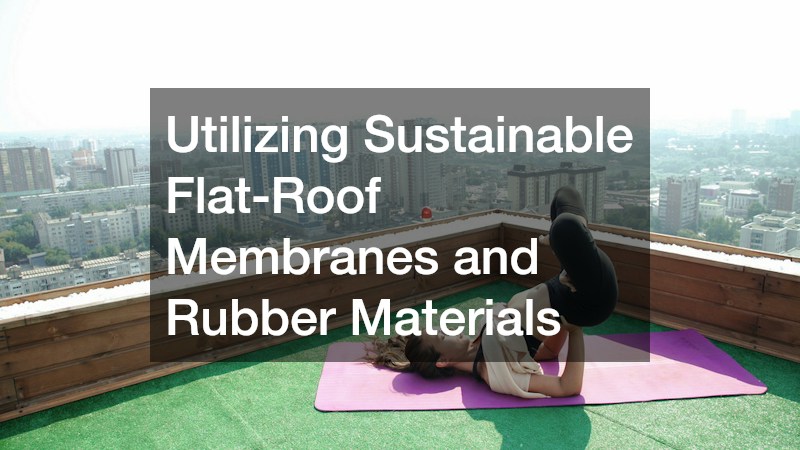
Low-slope and flat residential additions—such as sunrooms, modern architectural wings, and detached garages—present unique waterproofing challenges. Unlike sloped surfaces that shed water rapidly via gravity, flat surfaces require continuous waterproof membranes capable of handling standing water. Selecting durable, eco-friendly membrane materials ensures long-term performance without requiring frequent re-roofing cycles.
Ethylene Propylene Diene Monomer (EPDM) synthetic rubber remains one of the most sustainable flat-roofing choices available. Manufactured in part from recycled synthetic polymers, EPDM membranes are extremely durable, UV-stable, and fully recyclable at the end of their 30-plus-year service life. Modern application techniques utilize cold-applied, low-VOC adhesives and pressure-sensitive seam tapes, eliminating the fire hazards and toxic fumes associated with traditional hot-asphalt torch-down methods. Working with specialized rubber roofers guarantees that seam overlaps, perimeter termination bars, and drain flashing details are welded cleanly to prevent leaks.
Another innovative alternative for low-slope structures is installing a vegetative green roof system over a heavy-duty waterproof membrane. Vegetative tray systems containing drought-tolerant sedum plants absorb up to 70% of rainfall runoff, lower surrounding summer ambient temperatures, and shield underlying waterproof membranes from UV degradation. Installing these pre-fabricated drainage trays and soil mediums requires certified roofers who can perform structural weight-load calculations, install root-barrier membranes, and verify that drainage paths remain fully functional over time.
Harnessing Sustainable Rainwater Management and Gutters
An often-overlooked element of sustainable building maintenance is the integration of high-performance rainwater harvesting and gutter infrastructure. Uncontrolled stormwater runoff pouring off eave edges causes localized soil erosion, foundation settling, and basement moisture intrusion. When rainwater is properly captured and managed, it transforms from a hazardous runoff issue into a valuable resource for home landscape irrigation and non-potable household uses.
Installing heavy-gauge, recycled aluminum or copper seamless gutters ensures long-term structural durability while preventing leaks at joint seams. Pairing seamless gutter runs with oversized downspouts and leaf guards prevents debris blockages, reducing the risk of water backing up under lower shingle courses. Capturing this runoff through rain barrels or underground cistern systems reduces municipal water demand during hot summer months, creating a fully integrated, eco-friendly water management system for your entire property.
Integrating Solar Photovoltaic Systems During Roof Restoration
Combining structural repairs with solar photovoltaic (PV) installation represents the ultimate synergy in sustainable building upgrades. Mounting solar arrays during envelope restoration ensures that roof penetrations, flashing boots, and mounting brackets are sealed concurrently with waterproofing membranes, eliminating the risk of retro-fit leaks down the road.
Property owners can choose between traditional rack-mounted solar panels or integrated solar shingles that function simultaneously as both weatherproofing surfaces and clean energy generators. Designing a solar-ready envelope lowers reliance on fossil-fuel utility grids, offsets household carbon emissions, and maximizes the financial return on your building maintenance investment. Coordinating electrical tie-ins and structural load calculations early in the planning stage ensures a seamless installation that delivers clean energy for decades.
Partnering with Green-Certified Contractors and Sustainable Manufacturers

The success of any sustainable maintenance project depends heavily on the standards, expertise, and waste management practices of the contractor you hire. Even the most environmentally friendly building materials will fail prematurely if installed improperly or handled carelessly on the job site. Selecting a trade partner committed to sustainable building practices ensures your project is completed safely, efficiently, and responsibly.
When interviewing prospective contractors, look beyond standard pricing estimates and inquire directly about their jobsite waste management protocols. A responsible contractor should maintain formal partnerships with local recycling facilities to divert scrap metals, old asphalt, and cardboard packaging away from municipal landfills. Furthermore, verify that all sealants, primers, cold-applied adhesives, and caulks used during the repair meet strict indoor air quality standards and low-VOC emissions criteria. Partnering with an established residential roofing company that prioritizes sustainable practices guarantees that jobsite safety, material recycling, and manufacturer installation guidelines are met consistently.
Once repairs are complete, protect your investment by establishing a long-term preventive maintenance contract. Scheduling biannual inspections every spring and fall allows technicians to clean gutters, clear debris, and reseal minor flashing gaps before water damage occurs. Signing a structured maintenance agreement with a certified roofing contractor ensures that small issues are resolved early, maintaining your warranty coverage and extending the functional lifespan of your building envelope for decades.
Sustainable Repair Execution Strategy
When approaching a sustainable roof repair project, property owners should follow a chronological execution strategy to ensure maximum environmental and financial benefits. The first step involves diagnosing the envelope using non-destructive infrared surveys to pinpoint exact moisture locations. Once damage is isolated, choose targeted repairs over full tear-offs, or apply fluid-applied reflective cool roof coatings over aging surfaces to seal hairline cracks and reduce summer heat gain. For flat or low-slope sections, choose cold-applied EPDM rubber membranes or vegetative green roof systems to establish long-term waterproofing without toxic installation fumes.
During the execution phase, upgrade attic air-sealing and install recycled cellulose or mineral wool insulation to cut heating and cooling costs while reducing household carbon emissions. Selecting the right trade partners is critical to this process; ensure your contractor separates jobsite scrap for local recycling facilities and uses zero-VOC sealants throughout the installation. Finally, establish a biannual maintenance schedule to inspect flashing seals and clear drainage pathways every spring and fall, ensuring your sustainable investments protect your home, your budget, and the planet for decades to come.
Choosing a sustainable approach to roof maintenance is one of the most impactful decisions you can make for your home and the environment. By moving away from disposable, tear-off practices and embracing restorative maintenance, you preserve functional building materials, prevent thousands of pounds of landfill waste, and significantly lower your property’s environmental footprint. Modern advancements in thermal diagnostics, reflective cool coatings, recycled insulation assemblies, and durable rubber membranes make it easier than ever to achieve superior waterproofing performance without sacrificing sustainability.
Investing in energy-efficient, eco-friendly repairs delivers immediate and long-term dividends. You lower monthly energy utility bills, protect your home from severe weather, and build lasting home equity. Take charge of your home’s environmental impact today. Schedule a thermal roof audit, consult with certified eco-conscious contractors, and choose a sustainable repair solution that protects your family, your home, and the planet for years to come!