Many homeowners spend significant time and money maintaining their lawns and planting beautiful flowers, yet their yards still look slightly disorganized or unfinished. The reason often isn’t a lack of plants or effort—it’s a lack of structure. Without clear boundaries and thoughtfully placed outdoor features, even the most vibrant landscaping can appear cluttered or inconsistent.
A polished outdoor space relies on more than just greenery. Structural elements that define spaces, control soil movement, and create visual order play a critical role in achieving a clean and professional look. These features help guide the eye across the property and prevent different areas from blending in a way that feels messy.
Begin With Clear Boundaries That Define Every Area of the Yard
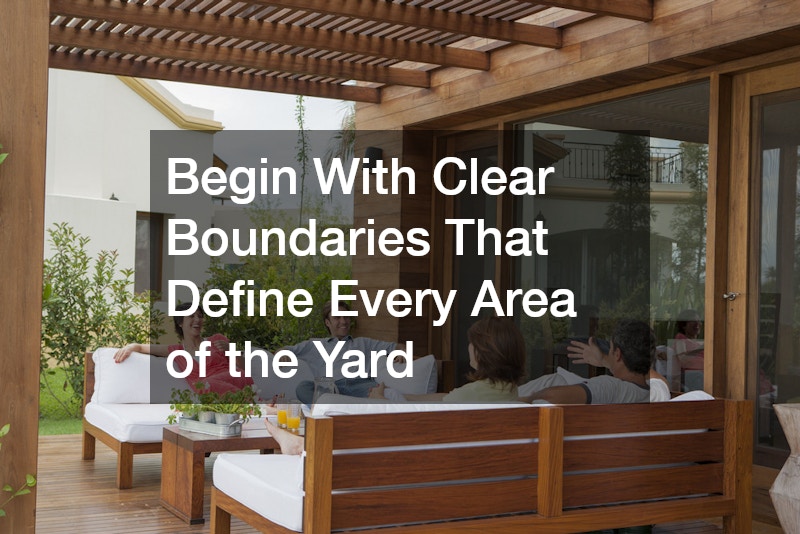
One of the simplest ways to make a yard look cleaner and more organized is to establish clear boundaries between different outdoor areas. Without defined edges, lawns tend to creep into flower beds, soil spills onto walkways, and garden areas slowly lose their original shape. Over time, this creates a landscape that looks unstructured and difficult to maintain.
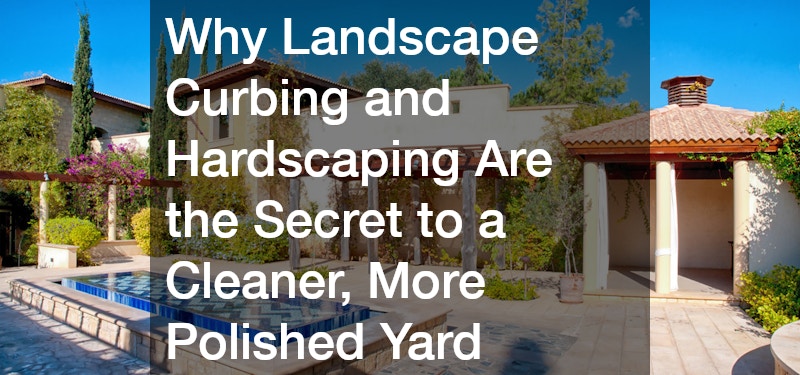
Installing landscape curbing helps create a permanent border that separates different sections of the yard. These borders form crisp lines that visually frame flower beds, pathways, and lawn areas. The result is a tidy appearance that immediately elevates the overall design of the property. Defined edges also help guide mowing and trimming, making routine yard work faster and more precise.
Homeowners typically find a wide variety of edging materials at stores that specialize in landscaping supplies. These materials range from decorative concrete borders to metal edging and stone curbing. Some of the most effective edging materials include:
- Decorative concrete borders that provide durability and custom shapes
- Natural stone edges that blend well with garden beds
- Steel edging that creates a modern, minimal look
- Brick borders that add traditional charm
Once installed, these boundaries make it much easier to maintain the landscape’s shape. Grass stays in its designated area, garden beds remain defined, and the yard maintains a neat appearance throughout the seasons. Over time, this simple upgrade can make the entire property feel more professionally maintained.
Use Elevated Garden Beds to Control Soil and Plant Growth
Raised planting areas are another effective way to keep a yard looking structured and organized. When garden beds sit at the same level as the surrounding lawn, soil and plants can gradually spread beyond their intended boundaries. Elevated beds create a contained environment that helps prevent this issue.
Small decorative features, such as a retaining wall, can be used to build raised garden beds that keep soil securely in place. These structures allow homeowners to create clearly defined planting zones that stay neat and easy to manage. In addition to improving organization, elevated beds also add visual depth to the landscape. These elevated areas offer several practical benefits:
- Improved drainage for plant roots
- Better soil control during heavy rainfall
- Easier access for planting and maintenance
- Clear visual separation between lawn and garden areas
Because these structures create distinct levels within the yard, they also add a sense of architectural design. This layered look is often seen in professionally designed landscapes and contributes to a cleaner, more polished appearance.
Keep Garden Beds Looking Neat With Consistent Ground Cover
Garden beds can quickly become messy when soil is left exposed. Wind, rain, and foot traffic can cause dirt to spread beyond planting areas, making the yard look untidy. Using a consistent ground cover is one of the easiest ways to maintain a clean and organized appearance.
A popular option for this purpose is mulch, which provides both visual and practical benefits. This material forms a protective layer over the soil, helping to retain moisture while suppressing weed growth. It also creates a uniform color and texture that makes planting areas look intentionally designed rather than scattered. To maintain the best appearance, homeowners should follow a few basic guidelines when applying mulch.
- Spread mulch evenly across the entire planting bed
- Maintain a depth of about two to three inches
- Keep mulch a few inches away from plant stems and tree trunks
- Refresh the layer once or twice a yea,r as it breaks down
By maintaining consistent coverage, garden beds remain tidy and well-defined throughout the year. This small maintenance task goes a long way toward preserving a polished yard.
Divide Outdoor Spaces Into Organized Functional Zones
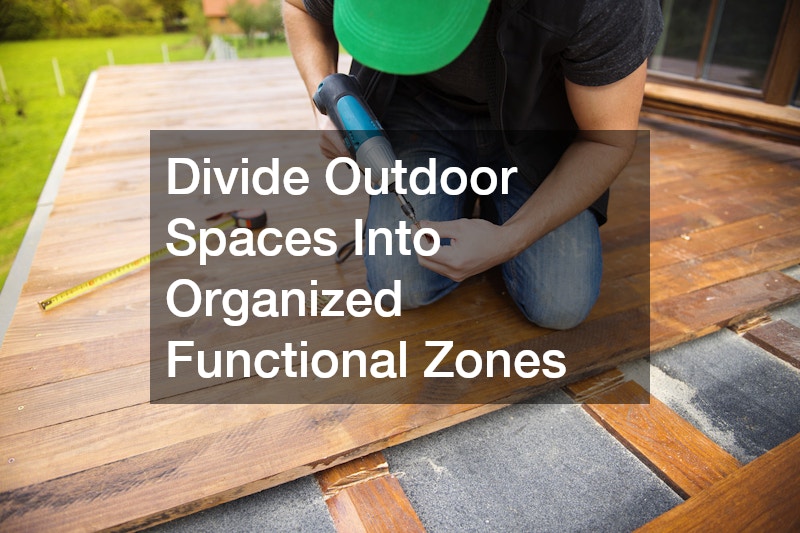
A yard that lacks clearly defined spaces can feel chaotic and underutilized. When everything blends together— seating areas, walkways, and lawn space — the yard may appear cluttered rather than intentional. Dividing the landscape into functional zones helps solve this problem.
Professionals such as patio builders often design outdoor layouts that separate different activities into designated areas. For example, one section of the yard may serve as a dining space while another functions as a relaxation area. Creating these distinct zones allows each space to feel purposeful and organized. When planning functional zones, homeowners often consider several types of outdoor spaces.
- Dining areas for outdoor meals
- Lounge spaces for relaxation
- Fire pit or gathering areas
- Quiet corners for reading or enjoying garden views
Establishing these zones not only improves organization but also enhances how the yard is used. Instead of feeling like a large open space with no direction, the landscape becomes a collection of well-planned outdoor rooms.
Add Vertical Structure to Frame the Yard’s Layout
While ground-level features are essential for organization, vertical elements also play an important role in shaping the overall landscape. Structures that extend help upward frame the yard and define property boundaries. Without them, outdoor spaces can feel open but slightly unfinished.
Professionals such as fence builders help homeowners establish clear boundaries that give the yard a more structured appearance. A well-designed fence not only improves privacy but also creates a visual edge that frames the entire landscape.
Proper installation is equally important, which is why many homeowners rely on experienced fence installers to ensure everything is aligned correctly. Crooked or poorly placed fencing can disrupt the look of the yard, while professionally installed fencing contributes to a clean and cohesive design. Different fence styles can complement various landscape aesthetics.
- Wooden fences for a warm, natural appearance
- Metal fences for a modern look
- Decorative panels for added visual interest
- Privacy fencing for enclosed outdoor retreats
These vertical elements help anchor the landscape design and prevent the yard from feeling too open or undefined. They also provide a backdrop that highlights plants and other outdoor features.
Reinforce Sloped Areas With Structured Stone Features
Sloped yards often present a unique challenge for homeowners. Without proper structural support, soil can gradually wash away during rainstorms, leaving uneven surfaces and messy planting areas. These issues not only affect appearance but can also create long-term stability problems.
Installing a retaining wall is one of the most effective ways to manage sloped terrain. These structures hold soil in place while creating level areas that can be used for planting or outdoor seating. By transforming slopes into tiered sections, homeowners can add both stability and visual appeal to their landscapes. Some homeowners incorporate additional design elements into these structures.
- Built-in seating areas
- Decorative stone patterns
- Integrated lighting for nighttime appeal
- Planting pockets for flowers and greenery
By stabilizing the ground while adding visual interest, these features help turn previously problematic areas into attractive focal points within the yard.
Work With Professionals to Create a Cohesive Outdoor Design

Designing a polished outdoor space requires careful planning and an understanding of how different elements interact with one another. While some homeowners enjoy tackling projects themselves, large landscape improvements often benefit from professional expertise.
Experienced landscaper contractors bring valuable knowledge about design balance, drainage, and long-term durability. They understand how to combine structural elements with plantings in ways that maintain a cohesive appearance across the entire property. Hiring a local landscaping contractor can be particularly beneficial because they understand the specific conditions of the region. Soil composition, weather patterns, and plant selection all vary by location, and local professionals know how to design landscapes that thrive in those conditions.
Working with professionals can help homeowners avoid several common landscaping mistakes.
- Installing features without considering drainage
- Choosing materials that clash with the home’s architecture
- Creating layouts that are difficult to maintain
- Overcrowding the yard with too many design elements
By approaching the project with a comprehensive plan, contractors can create a landscape that looks organized and intentional from every angle.
Choose Durable Materials That Maintain a Clean Look Over Time
The materials used in outdoor construction play a major role in how long the landscape maintains its polished appearance. Cheaper materials may initially look attractive, but often deteriorate quickly under weather exposure. Cracked surfaces, fading colors, and shifting stones can make a yard look neglected.
Reputable hardscape companies specialize in selecting materials that remain durable and visually appealing for many years. They understand how different materials respond to temperature changes, moisture, and heavy use. When choosing materials, homeowners should consider several factors.
- Resistance to weather and erosion
- Ease of cleaning and maintenance
- Compatibility with surrounding features
- Long-term durability
Investing in quality materials ensures that outdoor structures maintain their clean and refined appearance for years. This helps prevent the yard from looking worn or outdated as time passes.
Coordinate Structural Features for a Unified Landscape Design
Even well-built features can look disorganized if they are not visually coordinated. When materials, colors, or design styles clash, the yard may appear fragmented rather than cohesive. Achieving a unified look requires careful coordination between different elements.
For example, landscape curbing should complement the materials used in walkways and seating areas. When borders match the tones and textures of nearby features, the entire space feels more harmonious. Collaboration with professionals such as patio builders can also help maintain design consistency. These experts often recommend materials and layouts that integrate smoothly with existing landscape features. To achieve a unified design, homeowners should keep a few principles in mind.
- Stick to a consistent color palette.
- Use complementary materials throughout the yard
- Avoid mixing too many design styles
- Maintain similar shapes and patterns across features
When all elements work together visually, the landscape appears intentional and professionally designed. This harmony contributes significantly to a polished and organized outdoor environment.
Maintain a Tidy Landscape With Seasonal Care and Upkeep
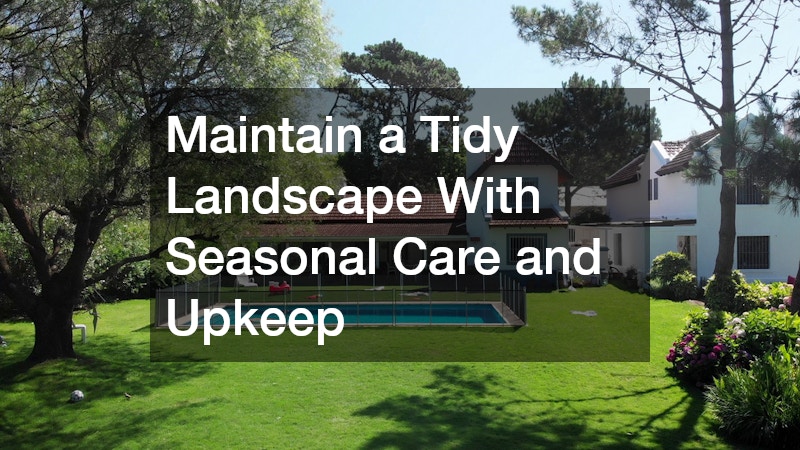
Even the most carefully designed yard requires ongoing maintenance to preserve its appearance. Over time, weather, plant growth, and everyday use can gradually affect outdoor features. Regular upkeep ensures that the landscape continues to look clean and well-maintained.
Many homeowners rely on products available through retailers that specialize in landscaping supplies to perform routine maintenance tasks. These stores carry tools, cleaning products, and repair materials designed specifically for outdoor environments. A basic maintenance routine often includes tasks such as:
- Cleaning debris from outdoor surfaces
- Refreshing mulch in planting beds
- Inspecting structural features for minor damage
- Trimming plants that extend beyond their borders
By addressing these tasks regularly, homeowners can keep their outdoor spaces looking polished throughout the year. Consistent care preserves the structure and beauty of the landscape. A clean, polished yard is rarely the result of plants alone. While flowers, shrubs, and lawns contribute to the beauty of a landscape, it is the underlying structure that truly defines how organized and refined the space feels. Thoughtfully placed borders, stable surfaces, and clearly defined areas help transform outdoor environments into cohesive designs.
When outdoor spaces are built with structure in mind, they become easier to maintain and far more visually appealing. Defined edges keep materials where they belong, stable surfaces reduce erosion and mud, and vertical features frame the landscape in a way that feels intentional. These details work together to create a yard that appears professionally designed.
Another major benefit of structural landscaping is its durability. Well-built features provide long-term stability that helps protect the landscape from weather damage and everyday wear. Over time, these improvements often reduce maintenance demands while preserving the property’s appearance.
Ultimately, the key to a polished outdoor space lies in combining thoughtful design with consistent care. By focusing on structure, organization, and long-lasting materials, homeowners can create landscapes that remain clean, inviting, and visually impressive for years to come.