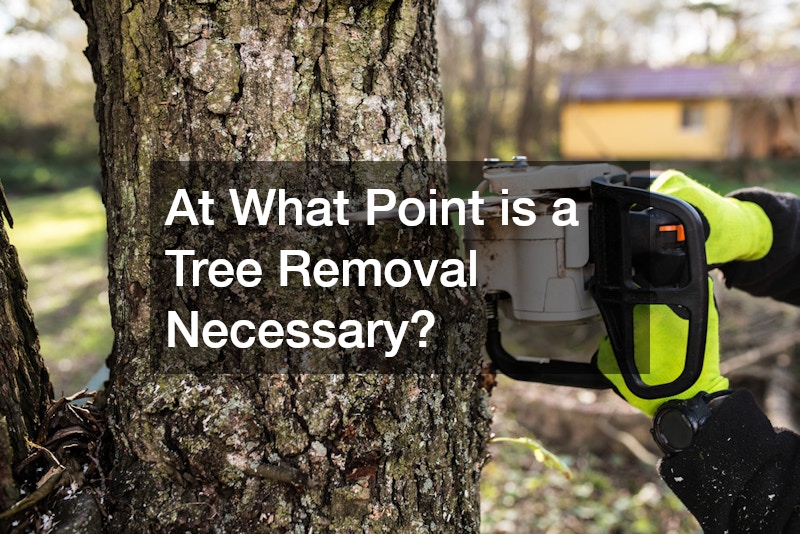
The decision to remove a tree is often a challenging one for homeowners and landowners. Trees are not only essential components of our ecosystem but also add aesthetic value to our properties. However, certain situations necessitate the removal of trees to prevent potential hazards and property damage. When a tree poses a risk to human safety or the structural integrity of a nearby building, removal becomes necessary.
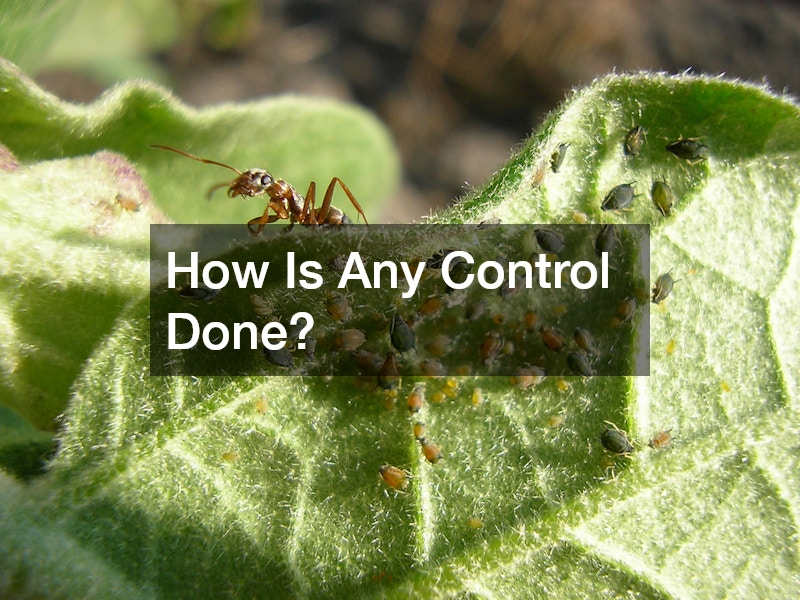
Diseased trees can become weak and unstable, making them a danger during storms or high winds. If a tree is suffering from a disease or severe infestation, it may pose a threat of spreading to nearby healthy trees.
Professional assessment is critical in determining whether a tree is diseased beyond recovery or can be saved through other measures. Generally, trees afflicted by diseases like root rot or Dutch elm disease might require removal to prevent further spread.
Additionally, trees that exhibit signs of root damage can pose risks to buildings, sidewalks, and driveways. Roots growing too close to these structures can cause cracks and significant damage over time. Stunted growth, thinning leaves, and unusual tilting of the tree often indicate root problems. In such cases, tree removal is necessary to avoid costly repairs to the surrounding infrastructure. It is crucial to address these issues promptly to minimize risks and associated expenses.
Indicators That a Tree May Need to Be Removed
Several signs can indicate that a tree may require removal to maintain safety and property quality. One obvious sign is significant structural damage caused by storms, lightning strikes, or continual stress. A tree with a severely damaged trunk, broken branches, or a hollow structure is often considered unstable. Such conditions pose a high risk of the tree falling unexpectedly, especially during adverse weather conditions.
Inspection of the tree’s growth pattern can also reveal potential problems. A leaning tree might indicate that its root system has been compromised and is losing its grip on the soil. Considerable tilting increases both the likelihood of the tree falling and the extent of damage if it does fall. Regular inspections by professionals can provide insights into the health and stability of trees, suggesting whether removal is a safe option.
The presence of large, dead branches is another critical indicator that removal might be necessary. Dead branches can fall without warning, posing a threat to people and property. Furthermore, these are often a sign that the tree is diseased, which might compromise its overall health and cause it to become weaker over time. In some instances, removing dead branches alone can save a tree from needing to be entirely removed. However, if the tree exhibits multiple issues, removal may be the best option.
Professional Assessment and Decision Making
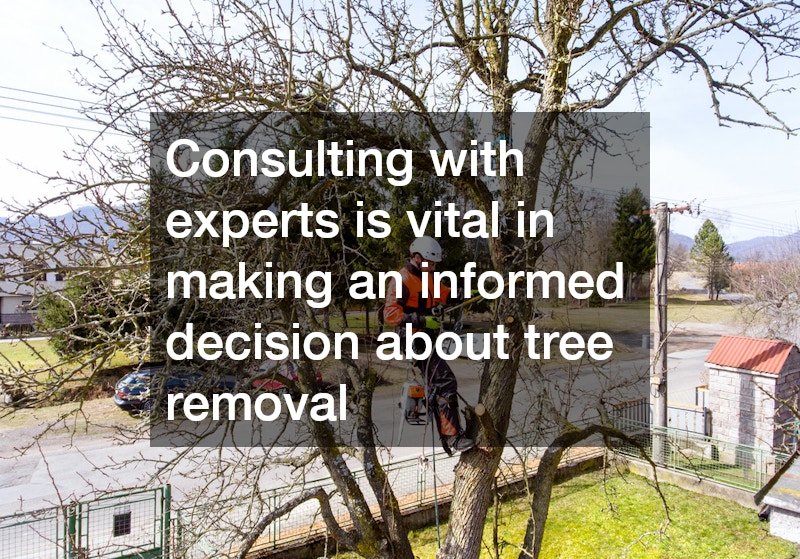
Consulting with experts is vital in making an informed decision about tree removal. Certified arborists have the knowledge and experience to determine the health of a tree and the risks it poses. Their assessment will involve a thorough examination of the tree’s condition, its environment, and the potential consequences of its removal or retention. Professional insight can make a significant difference in choosing the most suitable action for the tree in question.
The arborist’s decision will typically involve an evaluation of the benefits of retaining the tree versus the risks of keeping a potentially hazardous tree on the property. They may employ advanced techniques, including tree decay detection tools, to ascertain the underlying issues within the tree structure. Understanding these pros and cons allows homeowners and landowners to make decisions rooted in both safety and ecological considerations.
Moreover, experts can provide alternative solutions if the tree does not need immediate removal. They may recommend treatments, pruning, or support systems to extend the tree’s life and ensure safe growth and development. These alternatives, combined with regular maintenance, can preserve the tree for years to come. In some cases, even if removal is necessary, professionals will consider ecological restoration by planting new trees in its place, balancing safety with sustainability.
Legal and Environmental Considerations
Removing a tree isn’t solely a matter of assessing physical risk; legal implications must also be considered. Many areas have stringent regulations protecting trees, especially if they are classified as heritage or under conservation. Unauthorized removal can lead to fines or legal action. Hence, before removing a tree, checking local laws and obtaining necessary permits is a critical step to avoid legal repercussions.
Environmental factors should also weigh into the decision to remove a tree. Trees play vital roles in supporting local ecosystems by providing habitats, improving air quality, and offering shade. When a tree must be removed, considering its ecological contributions can help landowners find ways to mitigate the impact. Planting new trees or shrubs in its place can contribute to maintaining environmental balance and enhancing local biodiversity.
Furthermore, strategic removal may sometimes foster healthier growth for surrounding flora. In instances where a tree is overcrowding an area or depriving other plants of essential nutrients or sunlight, removing it can help improve the overall environment. Assessing the broader implications of tree removal ensures that decisions support both individual property needs and the local ecosystem. Balancing these considerations is crucial for creating sustainable spaces that benefit both humans and nature.